
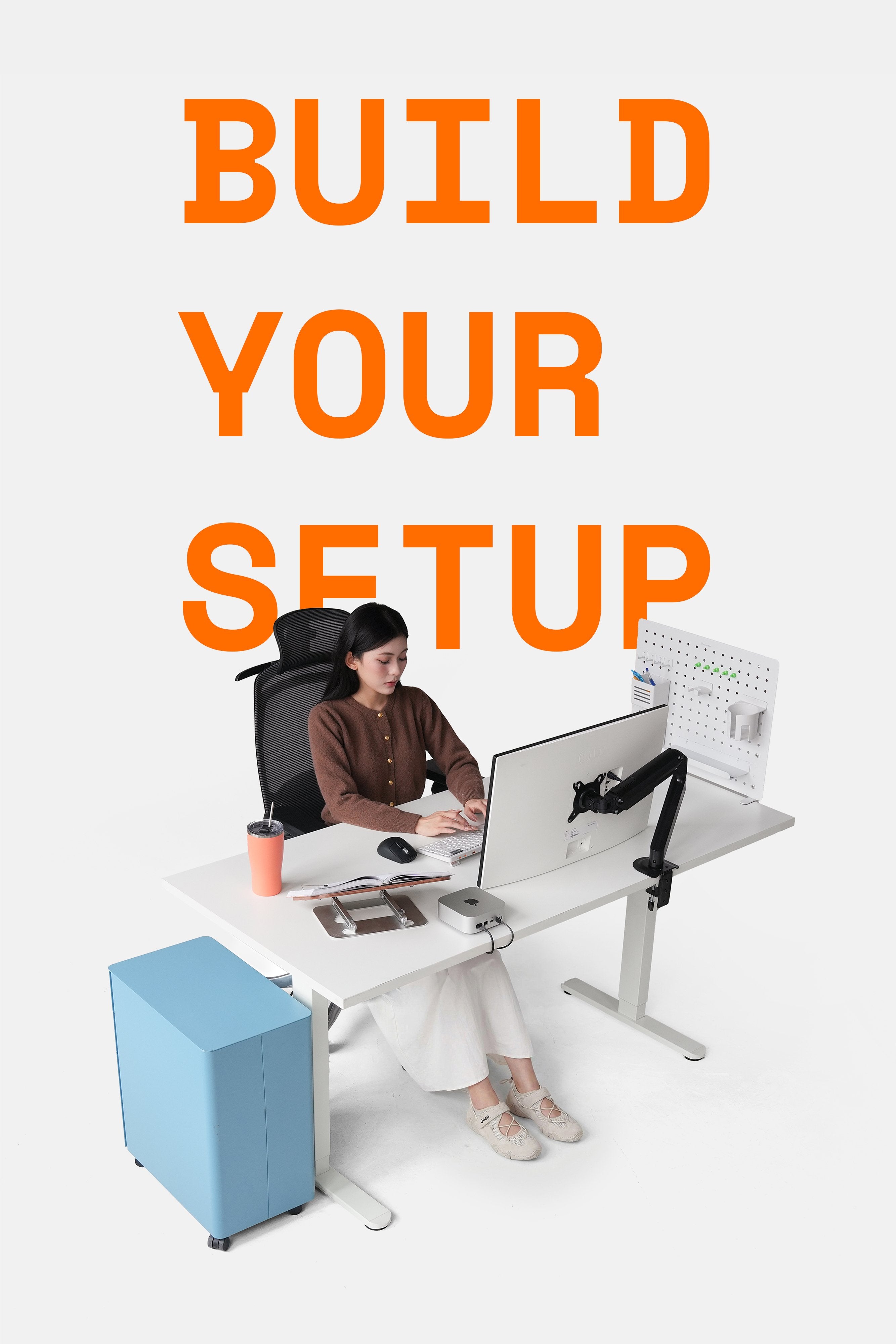

The chair cushion is an important component of an ergonomic chair, significantly influencing sitting comfort and experience, especially for those who sit for long periods. Choosing a chair with the right cushion material not only enhances comfort but also protects the user's health.
So, what factors make chair cushions impact health, and why can a good chair cushion help prevent spinal, back, neck, or joint problems?
1. Factors determining why ergonomic chair cushions are important
- Spinal support, maintaining correct posture
Ergonomic chair cushions reduce aches and back pain by supporting the natural curve of the spine, helping to alleviate some pressure on the back and vertebrae.
Specifically, chair cushions can adjust their firmness or softness depending on the user's weight and sitting habits, thereby helping to maintain proper sitting posture and improve comfort during long work sessions.

- Reduces pressure on contact points
Evenly distributing pressure across the chair cushion's surface also significantly impacts the user's ability to sit for long periods without fatigue. When sitting for a long time on a chair with a hard or poorly elastic cushion, pressure will inadvertently concentrate on certain points of the body, including the thighs, tailbone, or lower back, causing pain, numbness, and discomfort.
Ergonomic chair cushions prioritize materials like Foam or mesh to provide elasticity and even pressure distribution, creating comfort for the sitter.

- Breathability, ventilation, limiting heat accumulation
For those who sit for long periods, heat and sweat accumulation under the chair cushion is a persistent problem, causing discomfort and stuffiness, affecting overall comfort, especially during hot summers. Quality ergonomic chair cushions are often designed with breathable materials that allow better air circulation and reduce heat buildup, helping to keep the body dry and comfortable.
Materials like mesh fabric or foam cushions allow for better air circulation, somewhat reducing heat accumulation while keeping the body parts in contact with the chair dry and comfortable.

- Blood circulation
Stable blood circulation is crucial to avoid numbness, aches, and varicose veins. Therefore, using an overly hard cushion will affect blood circulation, especially in the thigh and leg areas. Choosing a chair with a quality seat cushion will improve blood circulation, helping the sitter stay alert, comfortable, and refreshed throughout the day. Currently, some chair cushions offer warming or massage features that significantly improve blood circulation issues when sitting for long periods.
2. Some quality chair cushion materials
When choosing an ergonomic chair cushion, you should consider factors such as durability, softness, and support. Some prominent materials include:
- Memory foam
Memory foam is a popular material due to its softness and ability to conform to the sitter's body. This helps distribute body weight evenly and reduces pressure on specific points.
- Gel foam
Gel foam combines the softness of memory foam with better heat dissipation, helping to maintain coolness during long sitting periods.
- Mesh
Chairs with mesh cushions often have excellent breathability, keeping the sitter feeling airy, cool, and comfortable. Mesh is commonly used in high-end office chairs.
- Latex
Natural latex cushions have high elasticity, providing good support and helping to maintain correct sitting posture. This material is often durable and does not sag over time.
In summary, investing in a quality chair cushion not only helps protect health but also saves costs in the long run.



Leave a comment
This site is protected by hCaptcha and the hCaptcha Privacy Policy and Terms of Service apply.