
Sitting for long periods in front of a computer, whether for work, study, or entertainment, has become an indispensable habit for many. Therefore, choosing a suitable ergonomic chair is crucial to optimize work performance and protect long-term health.
However, ergonomic chairs are often designed with standard dimensions, catering to common weights and heights. Consequently, individuals who are either too short or too tall may find it challenging to choose an appropriate ergonomic chair.
1. Ergonomic Chairs for Shorter or Taller-than-Average Individuals
Ergonomic chairs are designed with flexible adjustment features to help maintain proper sitting posture and reduce pressure on the body. These chairs not only provide comfort during long sitting sessions but also help prevent health issues such as back pain, neck strain, calf aches, and spinal problems.
Most ergonomic chairs on the market are designed according to standard dimensions, leading to the following issues for users with specific body types:
Challenges for shorter individuals:
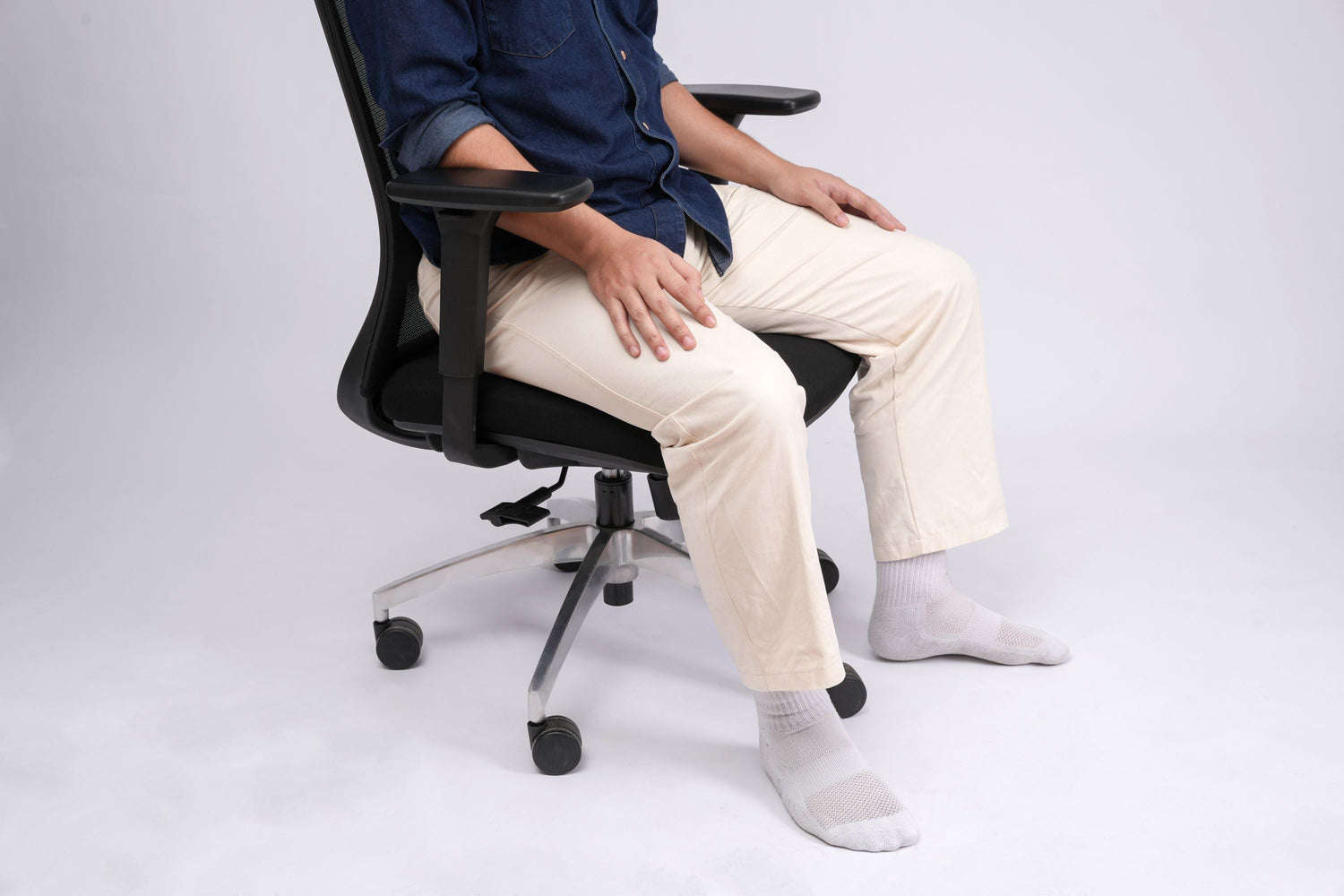
- Chair height too high: If the chair cannot be adjusted low enough, shorter individuals will not be able to place their feet completely on the floor, leading to thigh muscle strain during prolonged sitting. Furthermore, when feet don't touch the ground, the spine is not adequately supported, which can easily cause back pain issues.

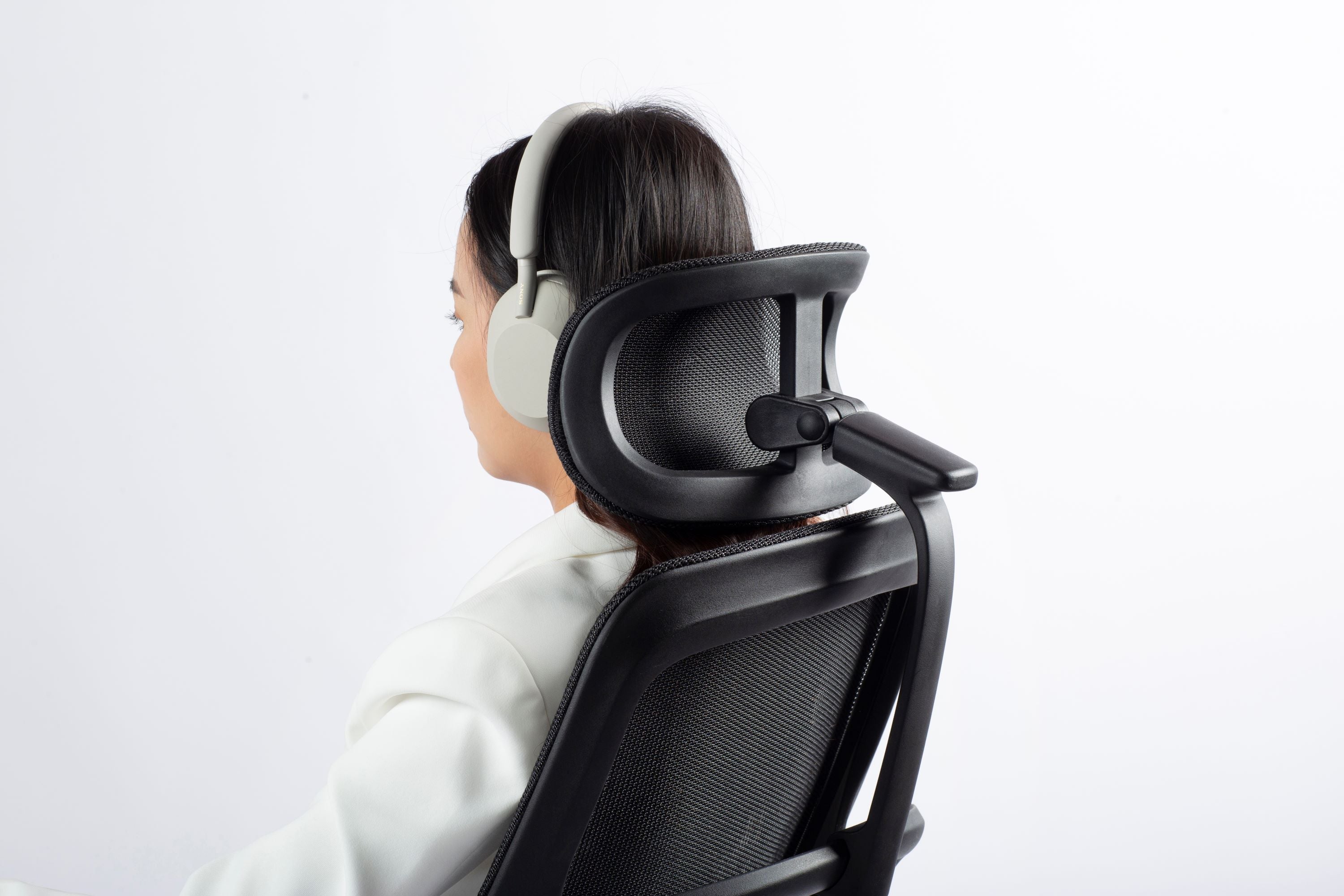
- Armrests, headrest too high: Armrests and headrests that lack flexibility in height or width adjustment are also an issue. If armrests are too high, users have to strain their bodies to achieve a comfortable sitting posture, leading to tension in the shoulders and neck. Armrests that cannot be adjusted closer to the body mean hands lack support while working, also causing discomfort. A headrest that is too high will not be able to support the curve of the neck.

Challenges for taller/larger individuals:
- Chair not wide enough: Individuals with larger body types will face difficulties if the seat pan is too small or not wide enough for comfortable sitting. This can put pressure on the hip area, leading to discomfort or even pain during prolonged sitting.

- Poor weight capacity: Some standard ergonomic chairs are not designed to support excessively heavy loads, making users feel the chair is weak, prone to damage, or provides inadequate support.
- Lack of lumbar support: For individuals with larger body types, proper backrest and lumbar support are crucial. If the chair lacks good lower back support or has a backrest that is too short, users will easily experience issues such as back pain and improper spinal support.
2. Solutions for Shorter or Taller/Larger Individuals
Using an ergonomic chair that fits your body size will help:
- Enhance comfort and work performance
- Reduce the risk of health problems
Users who are either too short or too tall/large should prioritize choosing ergonomic chairs with a wider range of adjustability, allowing them to modify factors such as chair height, backrest height and curvature, seat pan width, and armrests. Below are detailed solutions to address these issues:
Solutions for Shorter Individuals:
- Flexible chair height adjustment: A good ergonomic chair for shorter individuals needs flexible height adjustment, with the lowest seat height from the floor to the seat pan being around 40-45 cm. This allows users to place their feet completely on the floor, helping maintain a comfortable sitting posture and reducing pressure on the thighs. Additionally, users can consider using an ergonomic footrest to ensure their feet are placed on a flat surface.

- Adjustable armrests: Armrests must be adjustable in height and width, from approximately 45-68 cm, allowing shorter individuals to comfortably rest their arms without straining their shoulders and neck.

-
Backrest with lumbar support: For shorter individuals, the backrest must be adjustable in height and tension/flexibility, providing good spinal support and reducing pressure on the lumbar region.
Solutions for Taller/Larger Individuals:
- Wide and thick seat: Ergonomic chairs for larger individuals need a thick and wide seat, with a chair width of 50 cm to 60 cm to ensure comfort. The chair must be capable of supporting heavy weights, from 100-120 kg or more.
- Long backrest and lumbar support: The chair's backrest should be at least 50 cm long and have adjustable recline. A lumbar support system is also very important to help reduce pressure on the spine and lower back.
- Adjustable armrests and headrest: Armrests need to be adjustable in height and width so that users can sit comfortably without straining. Adjustable armrests can vary from 49-68 cm. Additionally, these components can be multi-directionally adjusted, including tilt, left/right swivel, forward/backward movement, and 360-degree rotation, to provide more arm space suitable for different body types.
Choosing an ergonomic chair with recommended weight capacity and height suitable for your body, while prioritizing chairs with diverse customization options, will help you truly use an ergonomic chair effectively.
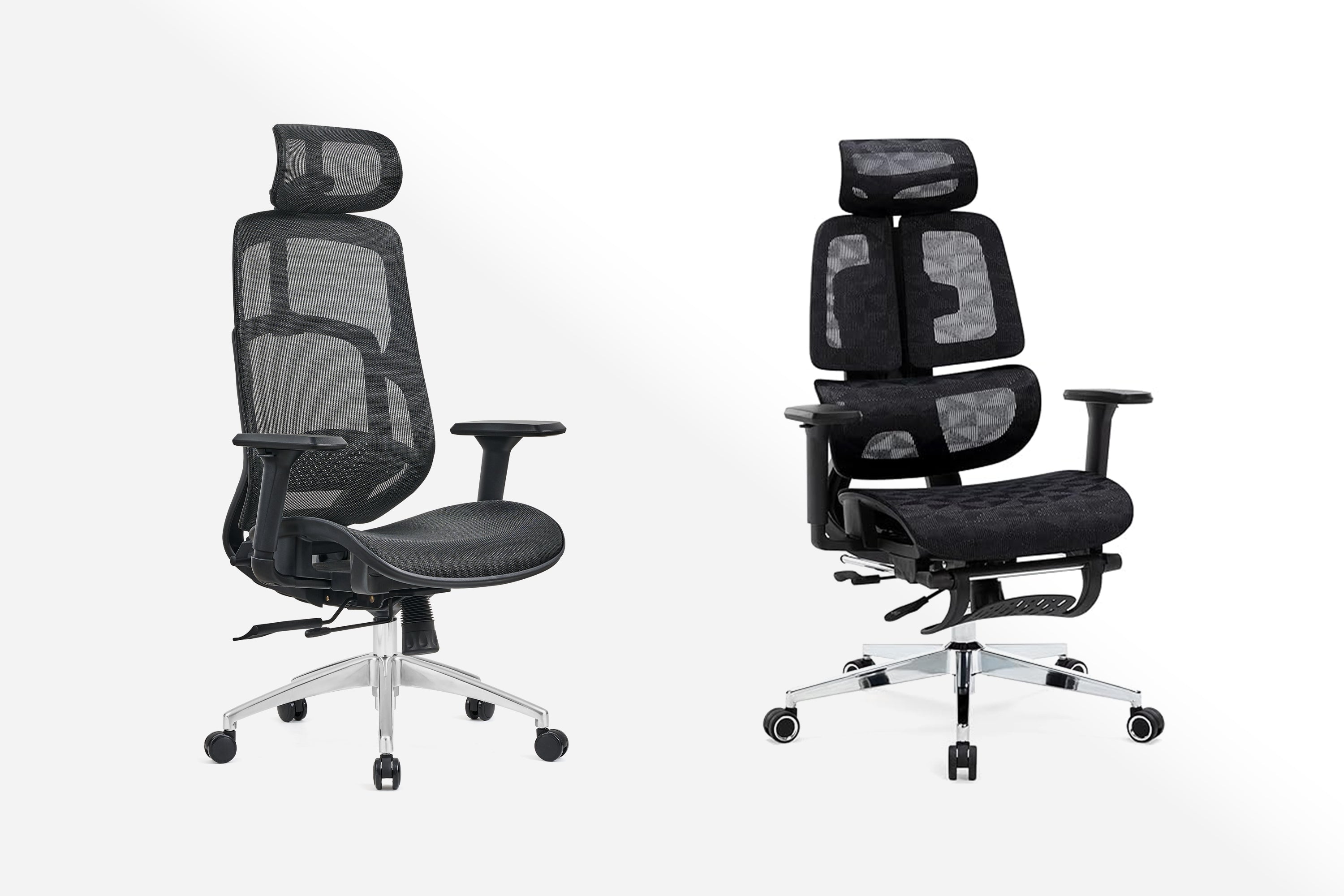
Towards the "wider, better" criterion, HyperWork will continue to launch a new, more optimized ergonomic chair version for individuals with specific body types. Here's a hint: this design will be suitable for both shorter and taller/larger individuals thanks to its diverse and easy-to-use adjustment features. Stay tuned!



Leave a comment
This site is protected by hCaptcha and the hCaptcha Privacy Policy and Terms of Service apply.