
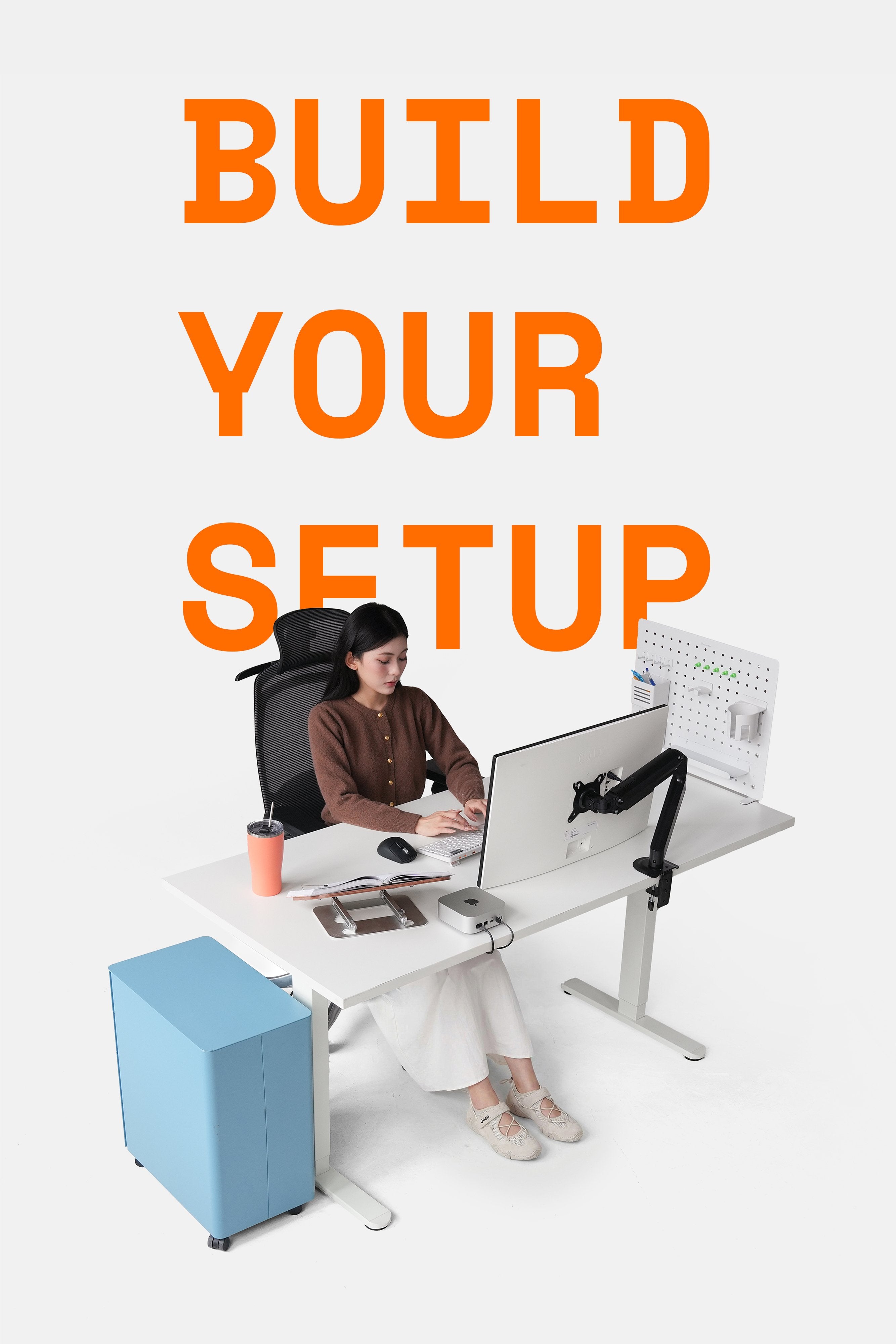
Diligence and hard work are no longer the only factors for efficient and effective work. Instead, flexibility, creativity, and exploration are what help you break through and make a difference.
Work smarter, not harder. HyperWork shows you 5 different ways to make the most of your workday, avoid wasting time, and level up yourself.
1. Effectively Utilize Available Resources
Available resources include technologies, software, modern methods, tools, and equipment that help optimize physical and mental effort, save time, and still deliver impressive results.
- Use existing tools like React-Bootstrap to accelerate UI development, Excel or Python for data processing, and automate repetitive processes.

- Use additional work management software such as Notion, Trello, Asana to plan and execute tasks efficiently and on time.
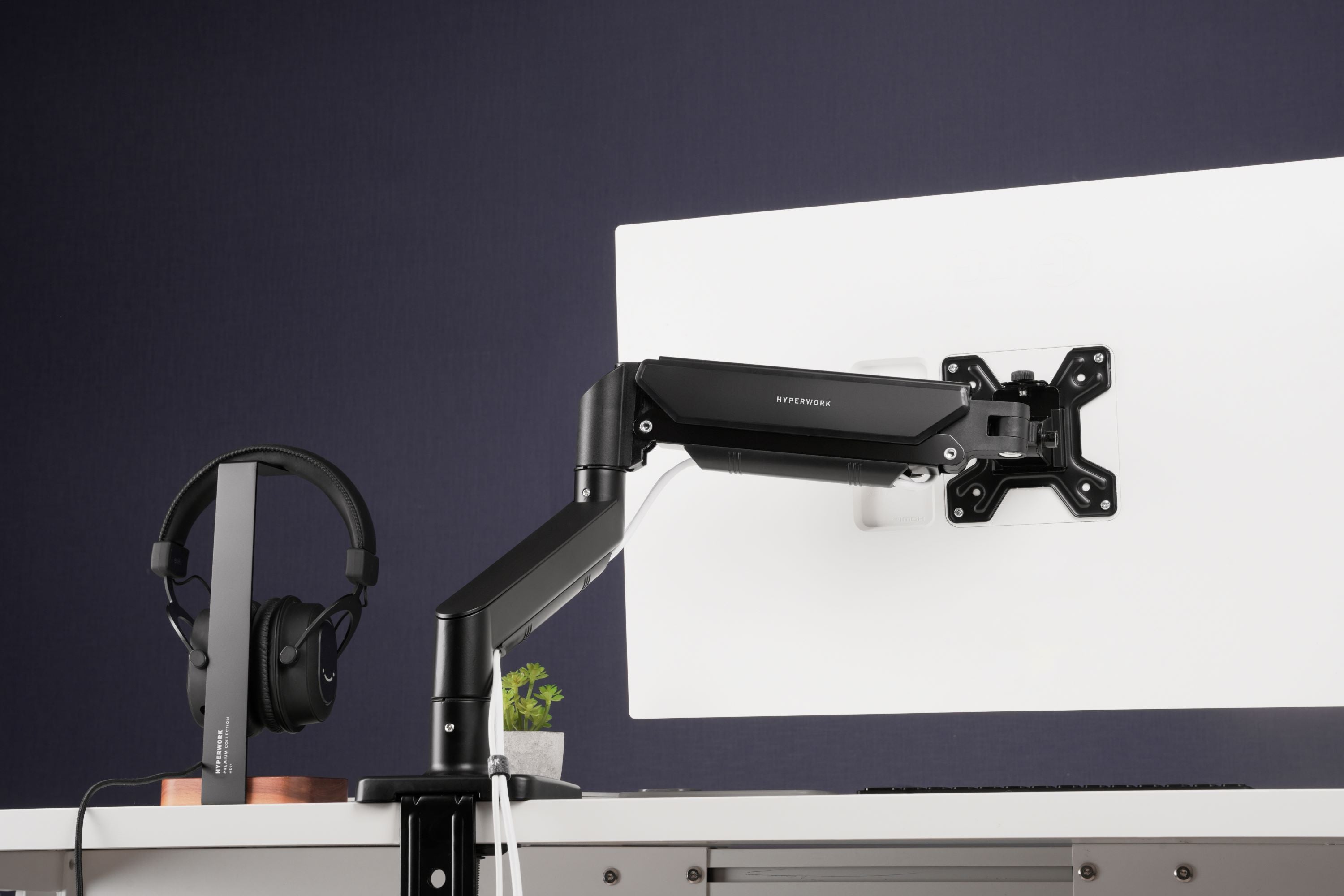
- Use laptop stands, phone stands, and monitor stands to reduce pressure on the neck, shoulders, and upper back, especially for jobs requiring prolonged sitting.

- Apply work methods like Pomodoro (25 minutes of work, 5 minutes of rest) and the FAST principle (Focus; Act; Simplify; Track).
Not only do these help reduce workload, but they also improve output. Make smart and proficient use of available resources. Develop a habit of exploring, researching, and optimizing one or more tools and devices that suit your habits and preferences to continuously enhance efficiency.
2. Prioritize Important Tasks
Identify tasks with the greatest impact and decisive nature to focus on, rather than wasting time on less important matters. This saves time and energy to achieve more impressive results.
An effective way to identify important tasks is to apply the Eisenhower Matrix with 4 groups:
- Important - Urgent
- Important - Not Urgent: These should be prioritized as they bring long-term value, while we tend to get caught up in urgent tasks and overlook them.
- Not Important - Urgent
- Not Important - Not Urgent.

Imagine you are preparing for an important interview. Instead of spending hours meticulously refining your CV or Portfolio, you should invest time in researching the main content, practicing your presentation, and handling difficult questions from the recruiter to make the interview more convincing and professional.
3. Creative Solutions
- Find new approaches, simplify processes, or eliminate unnecessary steps to optimize work performance and achieve significant results. Look at your current process and ask yourself: Are there any steps that are not truly necessary? Can the order of tasks be changed to optimize time? Are there any new approaches?
Instead of exchanging emails to gather feedback from the team, collaborative platforms like Google Workspace or Microsoft Teams allow everyone to work on a document in real-time. This not only reduces waiting time but also increases transparency and efficiency.
- Another important factor is empowering employees or support staff, especially if you are a manager. For example, when developing a website, instead of dictating every small detail like colors or fonts, you can let the design team choose within general guidelines to save time, foster creativity, and increase employee responsibility.

Or, for example, instead of manually handling each customer support request, we can deploy an AI chatbot to answer frequently asked questions. This reduces workload and staffing needs, and also improves response times for customers.
4. Allocate Time Wisely
- Know when to stop: Observe your body's health signals to maintain optimal physical condition.
- Batch actions: Instead of replying to emails immediately, you can schedule specific times for email replies (7 AM, 1 PM, 8 PM) to limit interruptions and avoid getting sidetracked, which can lead to working for a long time without completing any task 100%.

- Work in fixed intervals: This helps maintain focus, limit distractions, and conserve energy. Compared to time management, energy maintenance is also an essential aspect of achieving work goals.
5. Pay Attention to Other Factors
- Don't wait for motivation: Instead of waiting to feel "motivated" to start, establish a habit of acting even when you don't feel ready. For example, if you need to write an essay, start by jotting down any ideas on paper without worrying about initial perfection.
- Tidy your office: A neat workspace not only improves your mood but also helps you focus more easily.
- Limit lengthy to-do lists: Use the Ivy Lee method, where you select the 6 most important tasks at the end of the workday, arrange them by priority, and focus on completing each one the next day. This helps you avoid feeling overwhelmed and increases your ability to complete tasks.




Leave a comment
This site is protected by hCaptcha and the hCaptcha Privacy Policy and Terms of Service apply.